
- Main
- News
- Educational Field Practice of Second-Year Students of the “Natural and Technogenic Risks” Educational Program
Educational Field Practice of Second-Year Students of the “Natural and Technogenic Risks” Educational Program
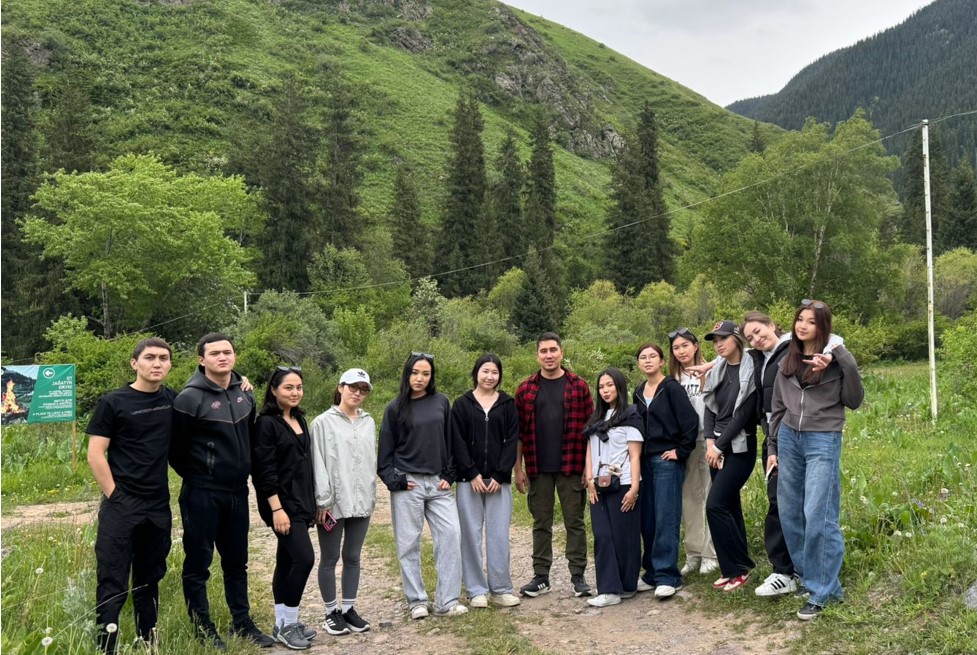
Second-year students of the “Natural and Technogenic Risks” educational program at Al-Farabi Kazakh National University are undergoing educational field practice aimed at consolidating theoretical knowledge and developing practical skills in assessing natural and anthropogenic risks under real environmental conditions.
As part of the practice, the students visited Turgen Gorge, Lake Issyk, and the Kapshagay Reservoir. These areas are of significant scientific and practical interest, as they are characterized by diverse natural conditions, active development of recreational activities, and the manifestation of natural processes that may affect public safety and the state of the environment.
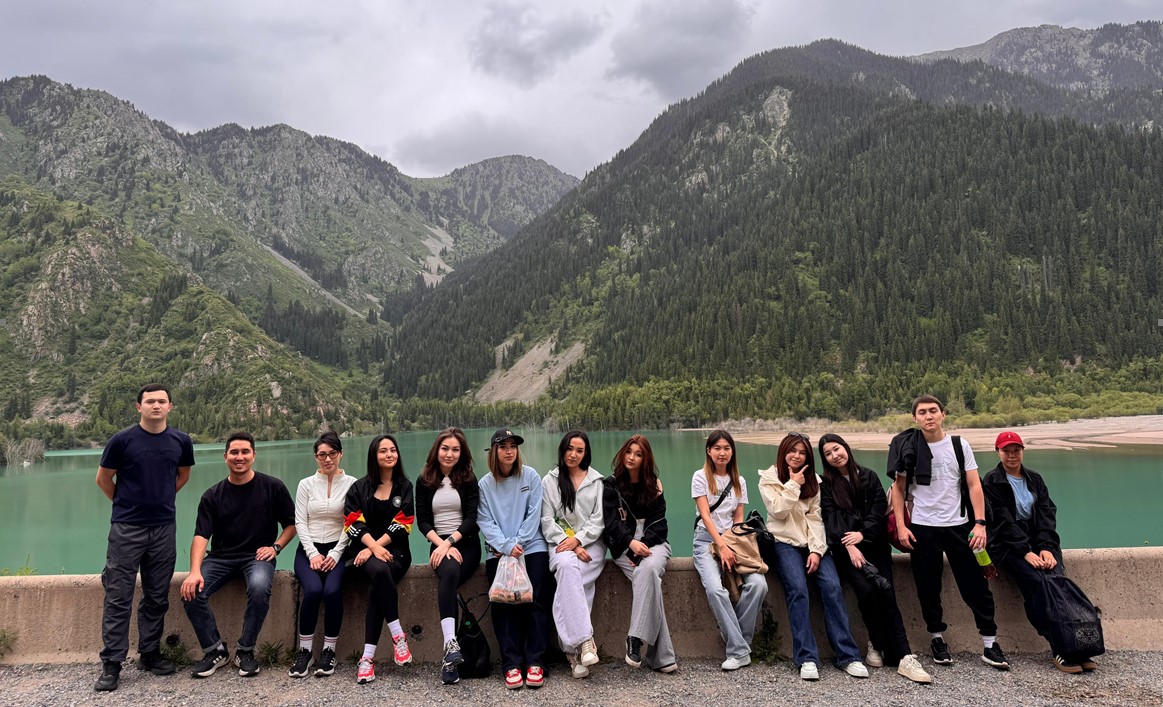
During the field classes, special attention was paid to observing the consequences of hazardous natural phenomena, including mudflow processes, rockfalls, erosion manifestations, and changes in relief. Using mountainous areas as an example, the students studied the factors contributing to mudflow hazards, the characteristics of slope processes, and their possible impact on infrastructure and settlements.
In addition, the practice addressed issues related to anthropogenic impact on the natural environment. The students analyzed the consequences of recreational pressure, pollution of coastal zones, changes in natural landscapes, as well as the impact of economic activities on water bodies and adjacent territories. Particular attention was given to the need for rational nature management and compliance with environmental requirements in areas of increased natural vulnerability.
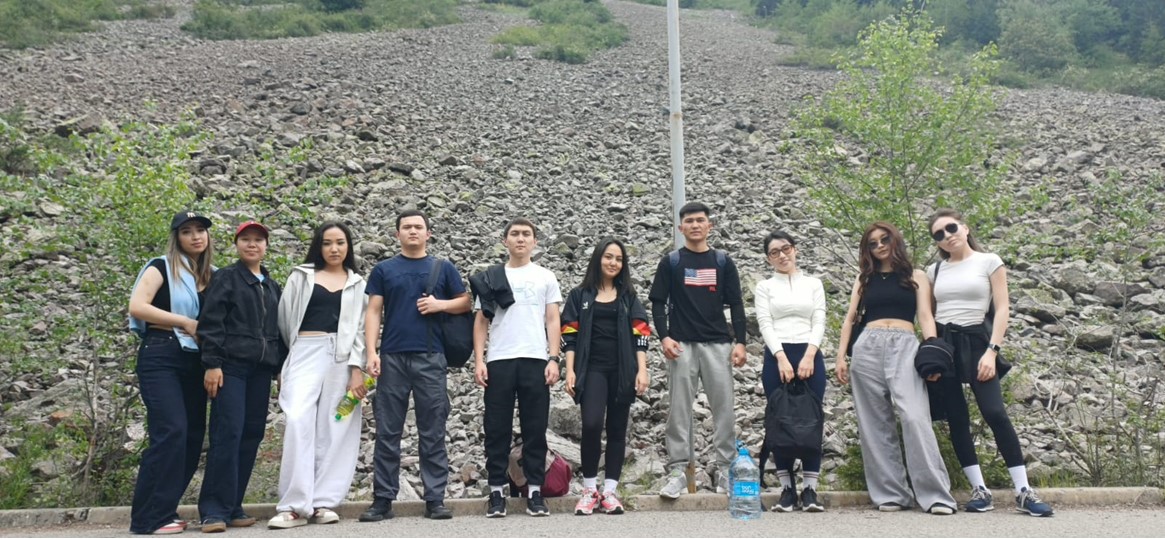
The educational field practice enabled students to apply their acquired knowledge in practice, develop skills in visual field surveying, identify potential natural and technogenic risks, and assess the state of the environment. Such field classes are of great importance for training future specialists in the field of analysis, prevention, and management of natural and technogenic risks.
The conducted practice contributed to improving students’ professional competence, developing environmental responsibility, and understanding the importance of an integrated approach to studying natural processes and anthropogenic impacts on the environment.
Other news


