
- Main
- News
- Modern Climate Challenges in the Program of the 3rd International Summer School "Environmental Protection – 2026"
Modern Climate Challenges in the Program of the 3rd International Summer School "Environmental Protection – 2026"

As part of the III International Summer School "Environmental Protection – 2026", held at Al-Farabi Kazakh National University, the Department of Meteorology and Hydrology organized a series of educational activities dedicated to one of the most pressing challenges of our time—climate change and its impacts on the environment and society. The program combined scientific lectures, practical sessions, and a field visit, enabling participants to explore climate-related issues from both theoretical and practical perspectives.
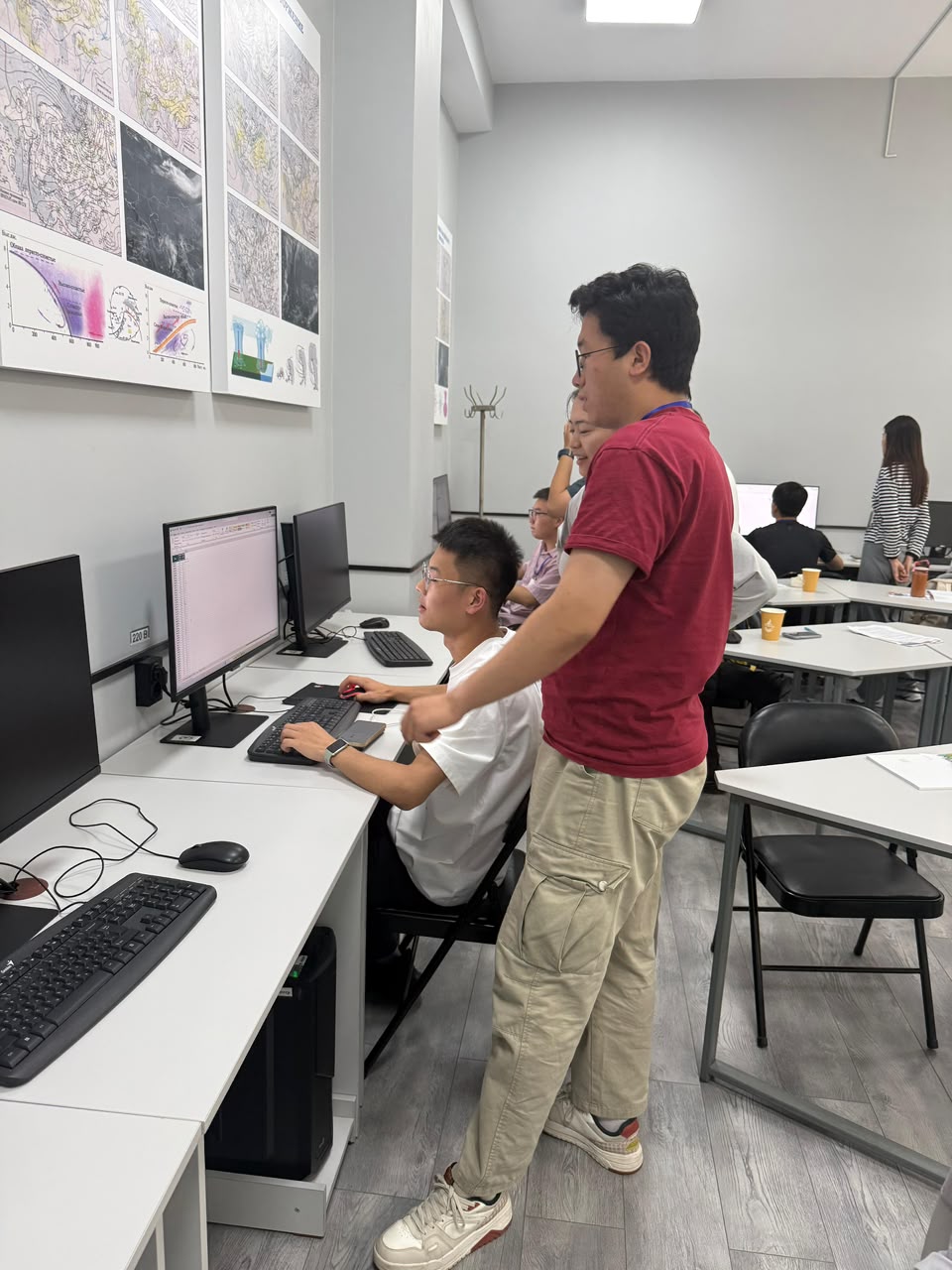
Seminars entitled "Climate Change: Causes, Processes, and Global Challenges" and "Extreme Weather Events and Their Impact on Society and the Environment" were delivered to the participants. During the sessions, students examined the main drivers of climate change, the mechanisms of climate processes, current global environmental challenges, and the effects of extreme weather events on natural and socio-economic systems. The practical component complemented the theoretical sessions. Participants took part in a debate on climate change, discussing the role of anthropogenic factors, contemporary climate challenges, and possible solutions to environmental problems. In addition, students calculated aridity indices for the territory of Kazakhstan, allowing them to assess the extent of regional climate change and reinforce their theoretical knowledge through practical application.
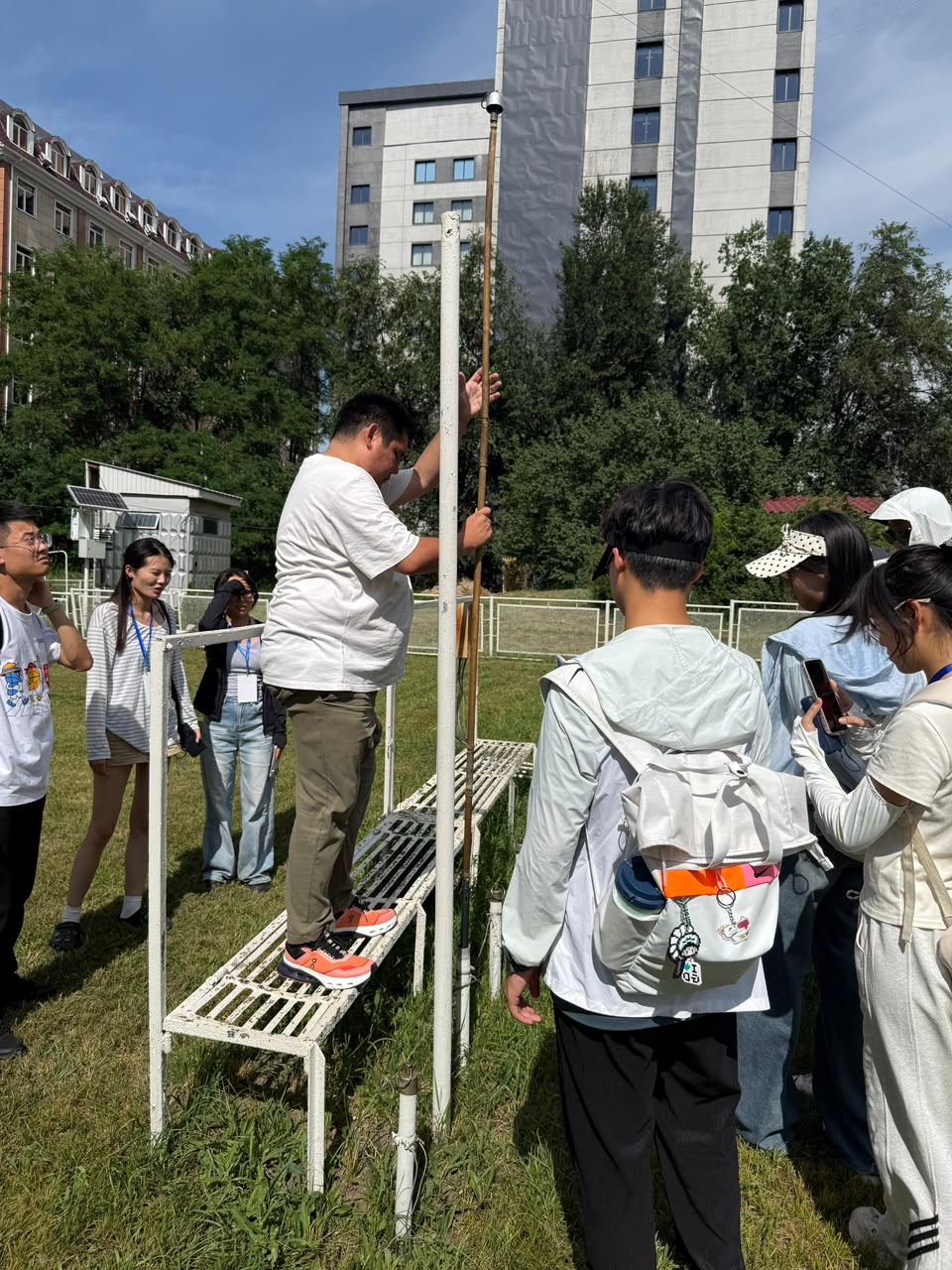
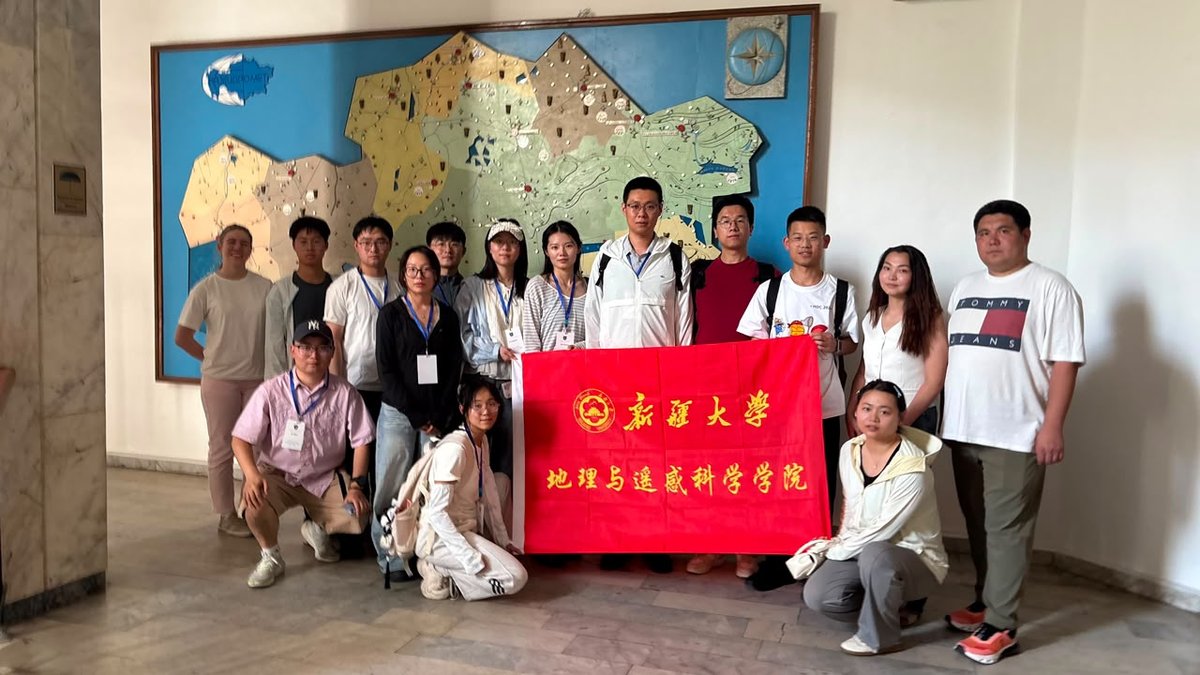
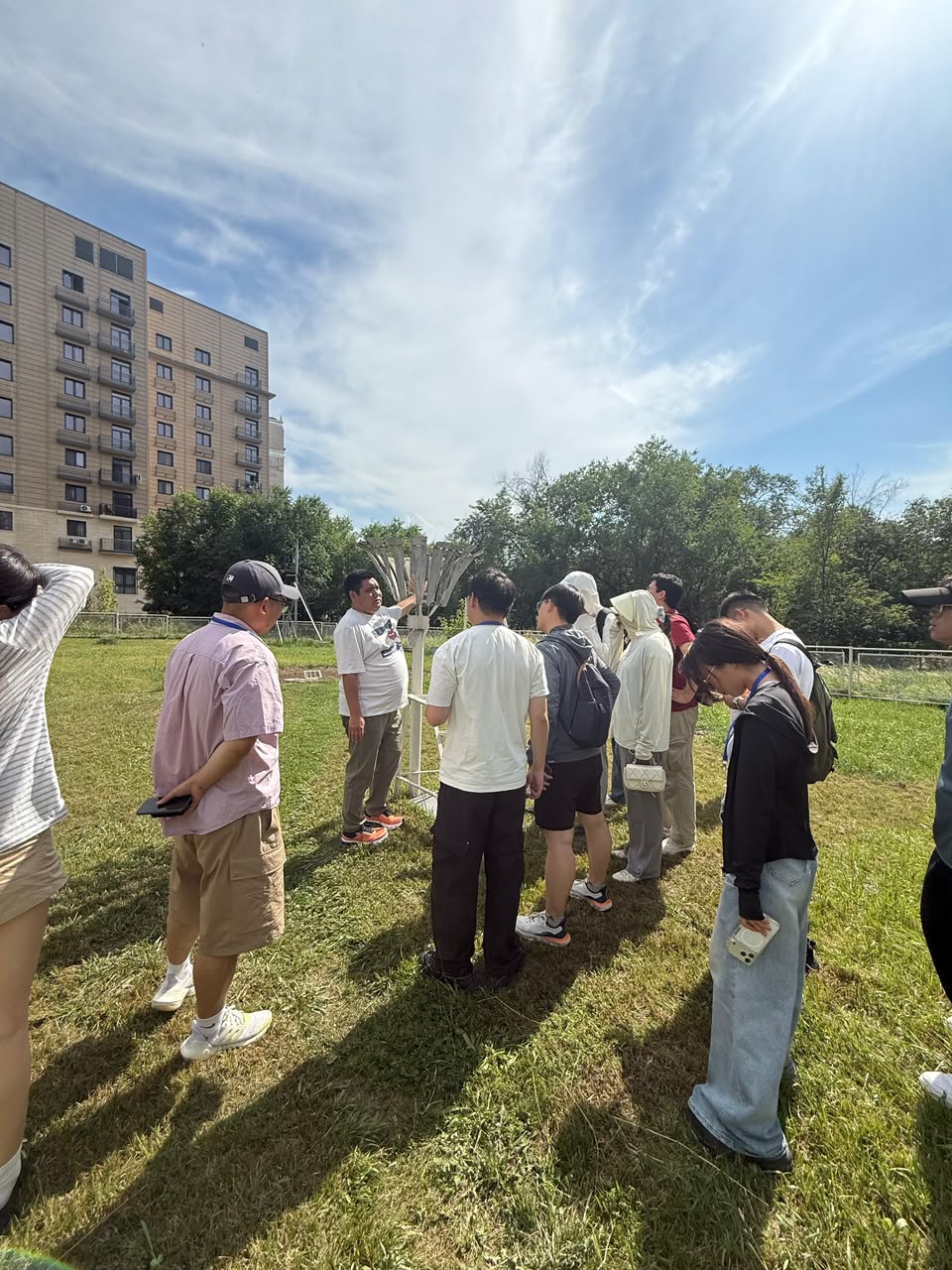
As part of the practice-oriented program, participants visited the Almaty Branch of Kazhydromet, Kazakhstan's National Hydrometeorological Service. During the visit, they toured the meteorological observation site and weather station, where they became familiar with modern meteorological instruments and observation techniques. The participants also visited Kazhydromet's laboratories and specialized departments. Experts introduced the main areas of the national hydrometeorological service's activities, the history and development of meteorological science in Kazakhstan, and modern environmental monitoring technologies. Students were shown how short-term weather forecasts are prepared, how scientific research is conducted, and how specialists in meteorology and hydrology carry out their daily professional work.
The program concluded with a discussion of the knowledge and experience gained, providing participants with an opportunity to exchange ideas and impressions. The activities once again highlighted the importance of integrating theoretical knowledge with practical training in preparing future professionals in the fields of ecology, climatology, meteorology, hydrology, and environmental protection.
Other news


